
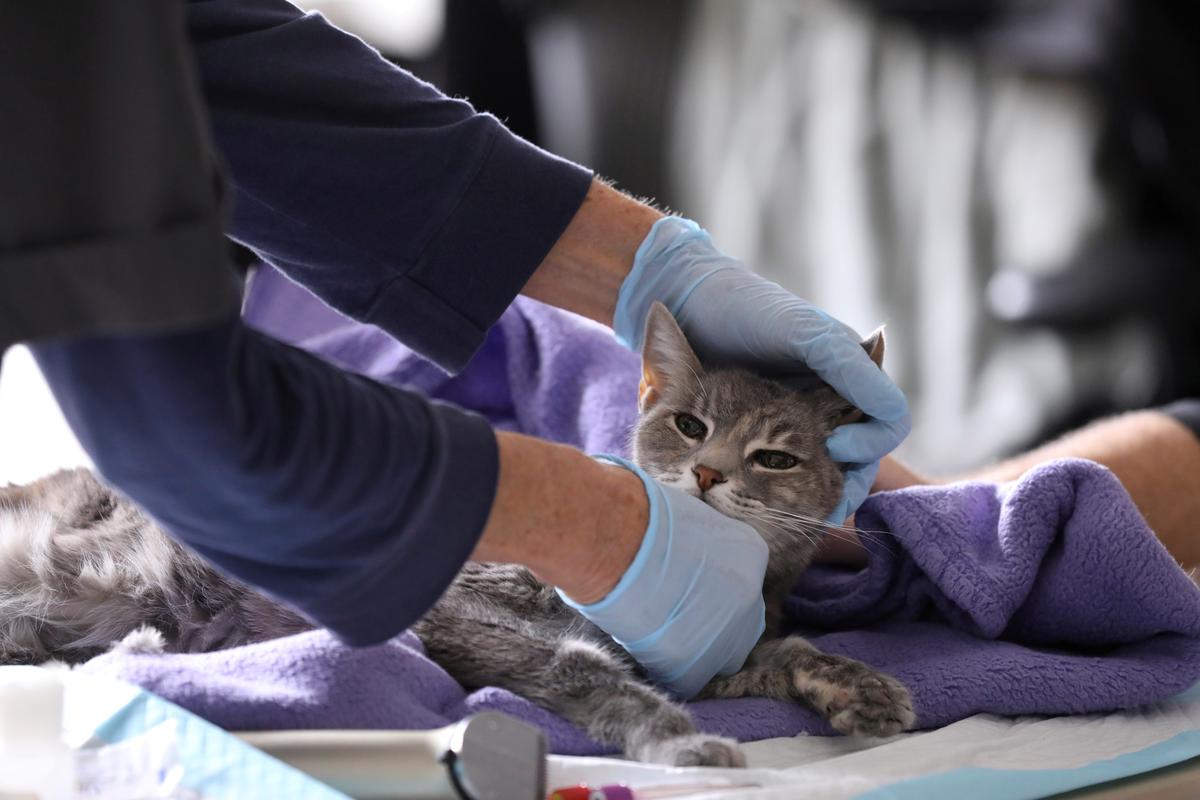
Bats and pangolins are not the only two intermediate hosts for the Coronavirus, scientists have discovered in a latest research.
It was found that cats can be the carriers of the virus, and they can infect each other to a great degree.
But can cats bring Coronavirus to your home and give it to you? We shall know in the rest of the article, but a few things that you need to know first.
SARS-2003 was spread via civet cats

Civet cats were the intermediate hosts for the SARS-2003 Coronavirus , and they had as much of a role to play as the modern-day bats in the scenario of COVID-19.
While scientists believe that cats could be again silently spreading COVID-19, more conclusive proof is needed to prove it for once and all.
Please note the fact the civets are not really cats, although they have a very similar cellular biology.
This unethical experiment on cats exposed a scary truth
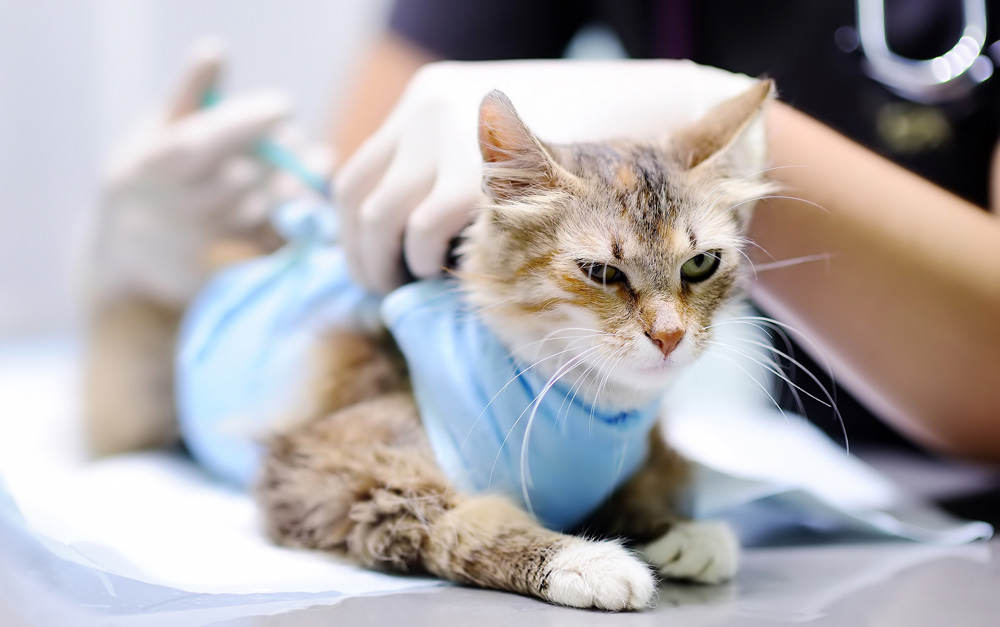
A research was done by the team of Yoshihiro Kawaoka, professor of pathobiological sciences at the University of Wisconsin School of Veterinary Medicine. They infected three cats with the Coronavirus, then they brought three uninfected cats into the group. The uninfected cats also caught the virus shortly.
But none of the cats had any obvious symptoms of sickness.
Even though you might argue about the ethics of such an experiment, it does spell worry for the cat-owners whose cats could be infected without showing any sign of illness.
Not just small cats, but big cats as well

In the past, we have had proof that humans can infect cats with Coronavirus, and that even the big cats such as lions and tigers can get catch the virus from humans.
Scientists advise that people with symptoms of COVID-19 should stay away from the cats. And even the healthy cat owners should keep their cats indoors and not let them get into contact with any outside people or cats or any other animals.
“It’s something for people to keep in mind. If they are quarantined in their house and are worried about passing COVID-19 to children and spouses, they should also worry about giving it to their animals.”
While cats don’t show many symptoms even after getting infected, the big cats get severely sick. Tigers and lions at the Bronx Zoo of New York had developed dry cough and loss of appetite after catching Coronavirus.
Throughout history, cats have infected humans with different viruses

There is evidence of cats infecting humans with viruses, even apart from the SARS outbreak of 2003. In 2016, H7N2 influenza virus was spread to humans via a cat.
Scientists are still unsure about how effectively the cats can infect humans with COVID-19, they still have something they want you to know:
“It does not change our recommendation that if you are sick, social distance your pets, quarantine yourself away from everyone in the family — that includes the pets. And if you’ve got COVID-19 and your pet is acting sick, please call your veterinarian and talk about what’s going on so a safe plan for everyone can be made for your pet.”
Featured Image Courtesy: Reuters